






回教材首頁 CHAPTER 2
Learning Pack 002 A~Z 每兩天一組

1 單字 & 片語

back and forth
/ˌbæk ən ˈfɔːrθ/
phr. 來回地;反覆地
back and forth
go back and forth來來回回;反覆討論
travel back and forth往返
go back and forth on an idea對一個想法反覆討論/猶豫
We've been going back and forth on this idea all week. 我們整個星期都在反覆討論這個想法。
用法除了實際來回移動,也常用於反覆討論、交換意見或在兩個選項之間猶豫。
back someone up
/bæk ˈsʌmwʌn ʌp/
phr. v. 支持某人;替某人作證;幫某人撐腰
back someone up
back me up支持我/替我作證
back someone up in a meeting在會議中支持某人
back up an argument with examples用例子支持論點
Thanks for backing me up in the meeting. 謝謝你在會議中支持我。
用法非常實用的日常與職場口語,常用於會議、爭論、團隊合作或需要別人支持時。
be a piece of cake
/bi ə ˌpiːs əv ˈkeɪk/
idiom 很簡單;輕而易舉
be a piece of cake
It's a piece of cake.這很簡單。
should be a piece of cake應該很容易
Once you get used to it, it's a piece of cake.習慣之後就很簡單。
Don't worry. Once you get used to it, it's a piece of cake. 別擔心,習慣之後就很簡單。
用法非常常見的口語表達,比單純使用 easy 更有聊天感。
be absent from
/bi ˈæbsənt frəm/
phr. 缺席;不在場
be absent from
be absent from a meeting缺席會議
be absent from class缺課
couldn't make it to the meeting沒辦法出席會議(較口語)
He was absent from the meeting yesterday. 他昨天缺席了會議。
用法正確但稍正式。日常工作口語常改說 couldn't make it to the meeting/class。
be abundant in
/bi əˈbʌndənt ɪn/
phr. 富含;富於
be abundant in
be abundant in natural resources富含天然資源
be rich in nutrients富含營養
be rich in vitamin C富含維生素 C(談營養用這個)
This region is abundant in natural resources. 這個地區富含天然資源。
用法偏書面,主詞多是地區、環境、資源。談食物營養時母語者幾乎都說 be rich in,不說 be abundant in。
be acquainted with
/bi əˈkweɪntɪd wɪð/
phr. 認識;熟悉
be acquainted with
be acquainted with someone認識某人
be familiar with a system熟悉某個系統
know someone, but not well認識某人,但不熟
I'm acquainted with the new manager, but we've never worked together. 我認識新來的經理,但我們沒有共事過。
用法較正式。聊天時談人常說 know him/her;談事物則常用 be familiar with。
be afraid of + N/V-ing
/bi əˈfreɪd əv/
phr. 害怕某事;害怕做某事
be afraid of + N/V-ing
be afraid of flying害怕搭飛機
be afraid of speaking in public害怕公開演講
be scared of + N/V-ing害怕……(較口語)
I'm afraid of speaking in front of a large crowd. 我害怕在一大群人面前說話。
用法非常實用,可直接用來談個人恐懼、緊張或不敢做的事。
be all set for
/bi ɔːl set fɔːr/
phr. 已經準備好了
be all set for
be all set for tomorrow明天都準備好了
be all set for the trip旅行都準備好了
I'm all set.我都準備好了。
Are you all set for tomorrow's trip? 你明天的旅行都準備好了嗎?
用法非常值得主動使用的口語。Are you all set? 與 I'm all set. 在旅行、工作、活動前都很常見。
be anxious about
/bi ˈæŋkʃəs əˈbaʊt/
phr. 對……感到焦慮;擔心
be anxious about
be anxious about a presentation對簡報感到焦慮
be nervous about an interview對面試感到緊張
be worried about something擔心某事
She's anxious about the results of the interview. 她對面試結果感到焦慮。
用法anxious 程度比 worried 稍強;日常聊天常依語氣改用 nervous about 或 worried about。
barely
/ˈberli/
adv. 勉強才;幾乎不
barely
barely make it勉強趕上/差點來不及
barely hear幾乎聽不到
barely sleep幾乎沒睡
I barely made it on time. 我差一點就來不及了。
用法非常實用的口語副詞,常搭配 hear, see, make it, catch, sleep 等。
bargain
/ˈbɑːrɡən/
n. / v. 便宜貨;討價還價
bargain
a real bargain非常划算
bargain with someone和某人討價還價
bargain on the price針對價格議價
This jacket was a real bargain. 這件外套真的很划算。
用法作名詞時可表示「很划算的東西」;作動詞時表示討價還價。
延伸詞彙 ballot 選票ban 禁止;禁令bank 銀行bankrupt 破產的bankruptcy 破產banquet 宴會

2 融合短文

Getting Ready for a Presentation
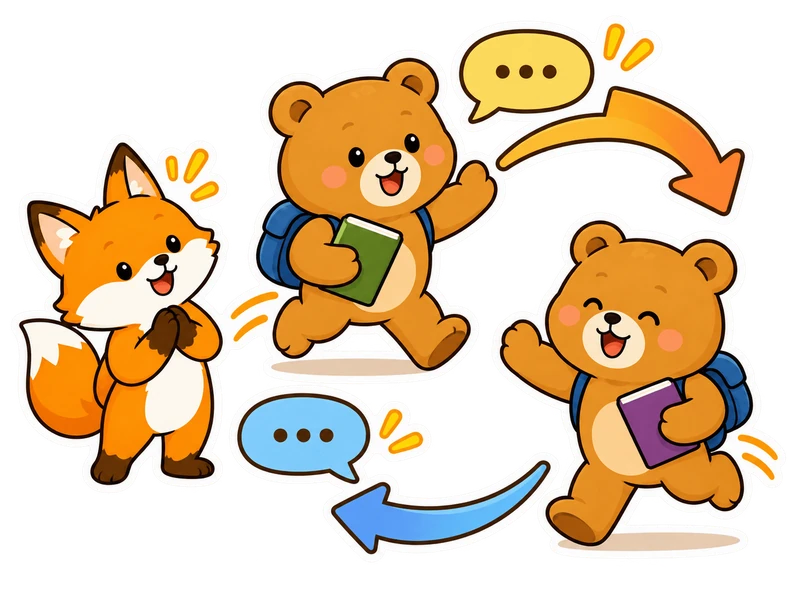
Bearry and Lexi had been going back and forth on their presentation all week. The night before the meeting, Bearry asked, “Are you all set for tomorrow?” Lexi admitted that she was still a little anxious about speaking in front of everyone. Bearry told her not to worry and promised to back her up if anyone asked a difficult question. “The hard part is already done,” he said. “Tomorrow should be a piece of cake.” Lexi laughed and said she hoped he was right because she had barely slept the night before. Before leaving, Bearry reminded her to get some rest. By the end of the conversation, Lexi felt much more confident.
跟讀練習
Bearry 和 Lexi 整個星期都在反覆修改簡報。會議前一晚,Bearry 問:「你明天都準備好了嗎?」Lexi 坦承自己對在大家面前發言仍有點緊張。Bearry 要她別擔心,並答應如果有人問難題,他會幫忙支持她。「最難的部分已經完成了,」他說。「明天應該很輕鬆。」Lexi 笑著說希望如此,因為她前一晚幾乎沒睡。離開前,Bearry 提醒她好好休息。談話結束時,Lexi 已經有信心得多。

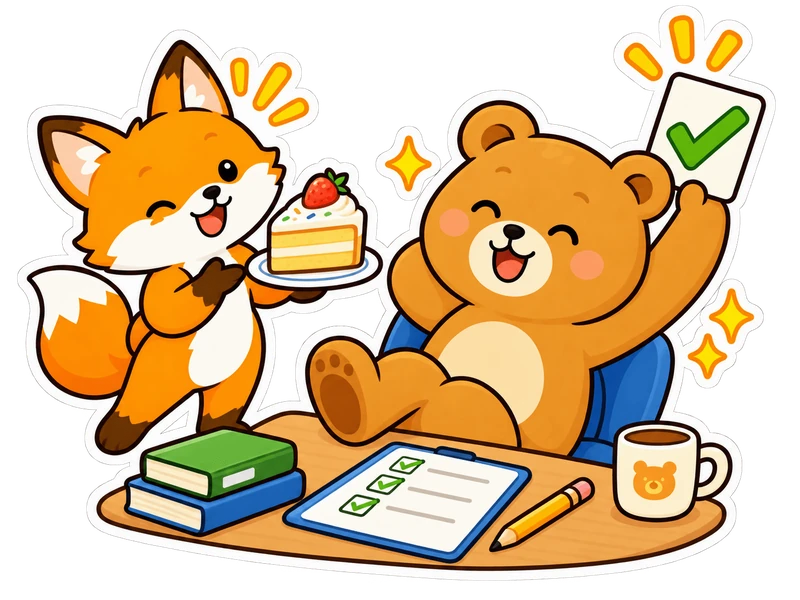
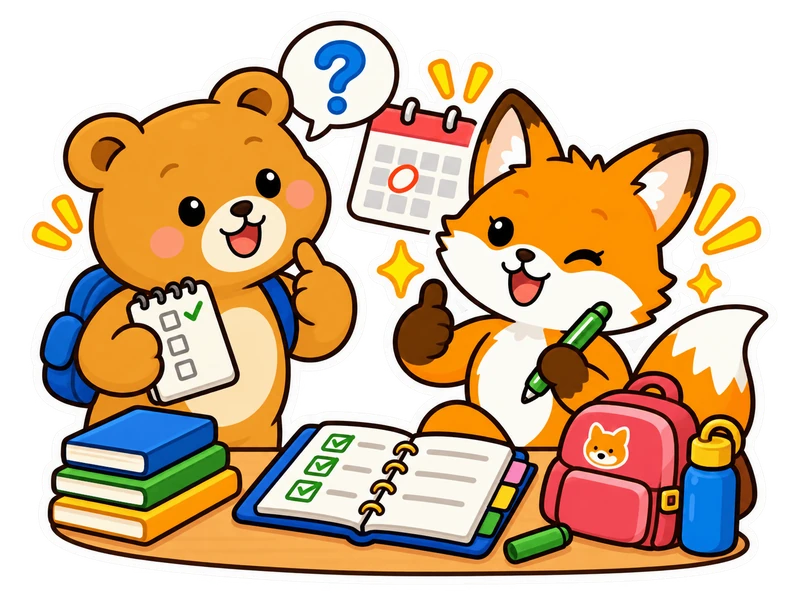
Bearry and Lexi repeatedly revising presentation slides together.
1Bearry and Lexi repeatedly revising presentation slides together.
Bearry asks Lexi whether she is all set for tomorrow.
2Bearry asks Lexi whether she is all set for tomorrow.
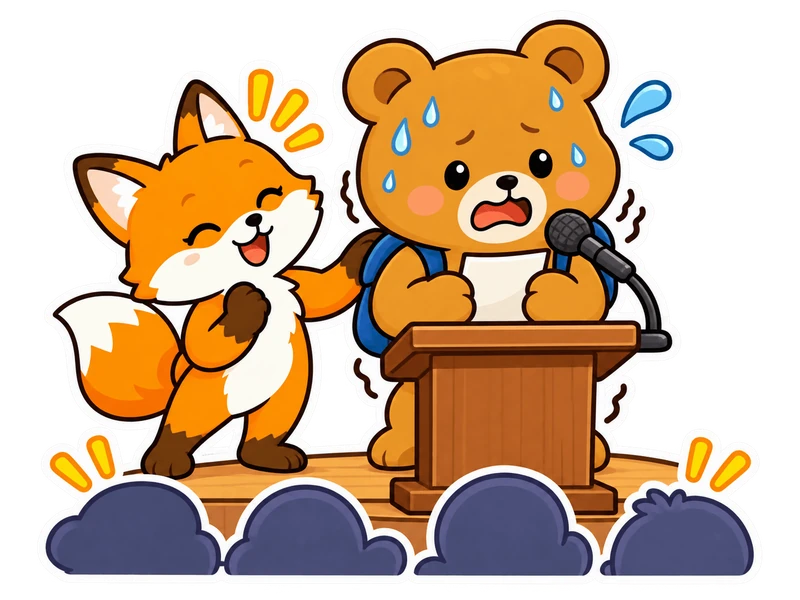
Lexi looks nervous about speaking in front of a crowd.
3Lexi looks nervous about speaking in front of a crowd.
Bearry promises to back Lexi up during the meeting.
4Bearry promises to back Lexi up during the meeting.
Bearry confidently says the presentation should be a piece of cake.
5Bearry confidently says the presentation should be a piece of cake.
Lexi looks tired but relieved after admitting she barely slept.
6Lexi looks tired but relieved after admitting she barely slept.

3 小測驗

1. Your teammate is nervous about a presentation. Which reply naturally promises support?
2. You almost missed your train but got on at the last second. What can you say?
3. Which sentence is the most natural indirect question?
4. Your friend asks whether you are ready for a trip. Which reply sounds natural?
  • 1. A — back someone up 表示支持某人、替某人撐腰,很適合會議或簡報情境。
  • 2. A — barely made it 表示「差一點就來不及/勉強趕上」,是非常自然的口語。
  • 3. A — 間接問句中的名詞子句使用陳述句語序,因此是 where the station is。
  • 4. A — I'm all set. 是非常自然的口語,表示「我都準備好了」。

4 名詞子句:that、whether 與疑問詞子句

A. that 子句
that + 主詞 + 動詞 ...
That he doesn't study makes me angry.
他不用功這件事讓我生氣。
B. whether 子句
whether + 主詞 + 動詞 ...
I'm not sure whether she can make it.
我不確定她能不能來。
C. 疑問詞子句
疑問詞 + 主詞 + 動詞 ...
Do you know where the station is?
你知道車站在哪裡嗎?

英文中若要把一個「句子內容」當成名詞使用,需要把它轉成名詞子句。名詞子句常由 that、whether 或 what / where / when / why / how / who 等疑問詞引導。

實用延伸:把直接問題轉成自然的間接問句
句型主句 + wh-/whether-clause= 把原本的問句放進另一個句子後,內部改回陳述句語序。
句型結構圖
Do you know / Can you tell me / I wonder / I'm not sure+wh- / whether+主詞+動詞
名詞子句 where the station is / whether she can come
更多例子
  • When will the meeting start? Can you tell me when the meeting will start? 你可以告訴我會議什麼時候開始嗎?
  • Has he finished the work? I'm not sure whether he has finished the work. 我不確定他是否已經完成工作。
  • Why is she upset? I wonder why she is upset. 我想知道她為什麼不開心。
小提醒

實際與外國人溝通時,名詞子句非常常出現在 Do you know...?, Can you tell me...?, I'm not sure..., I wonder... 等句型後面。核心不是只背規則,而是學會把直接問題自然地嵌入另一個句子。

小提醒
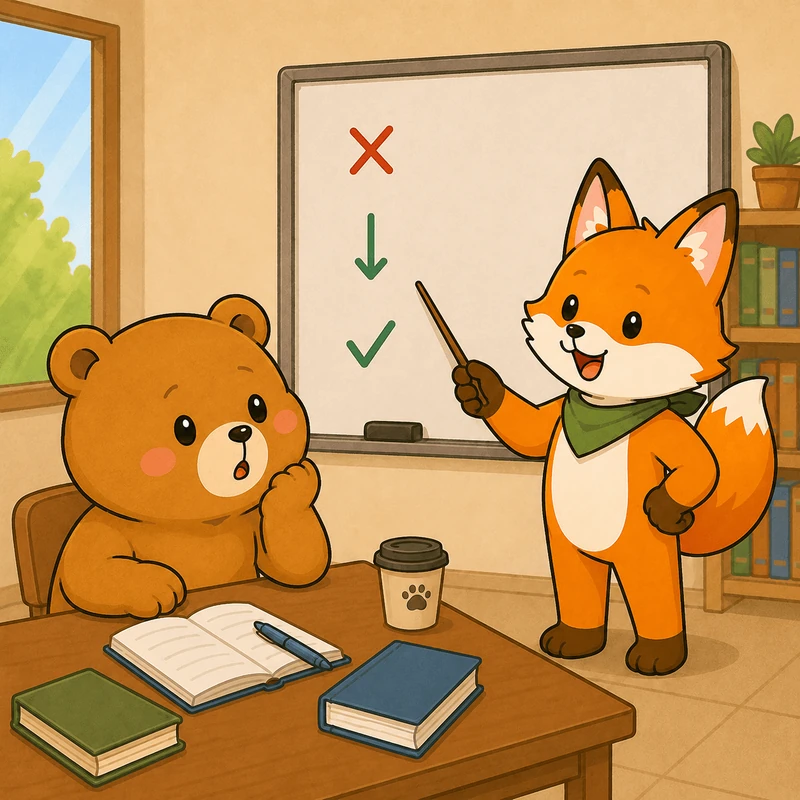
小劇場:Bearry 又搞錯了
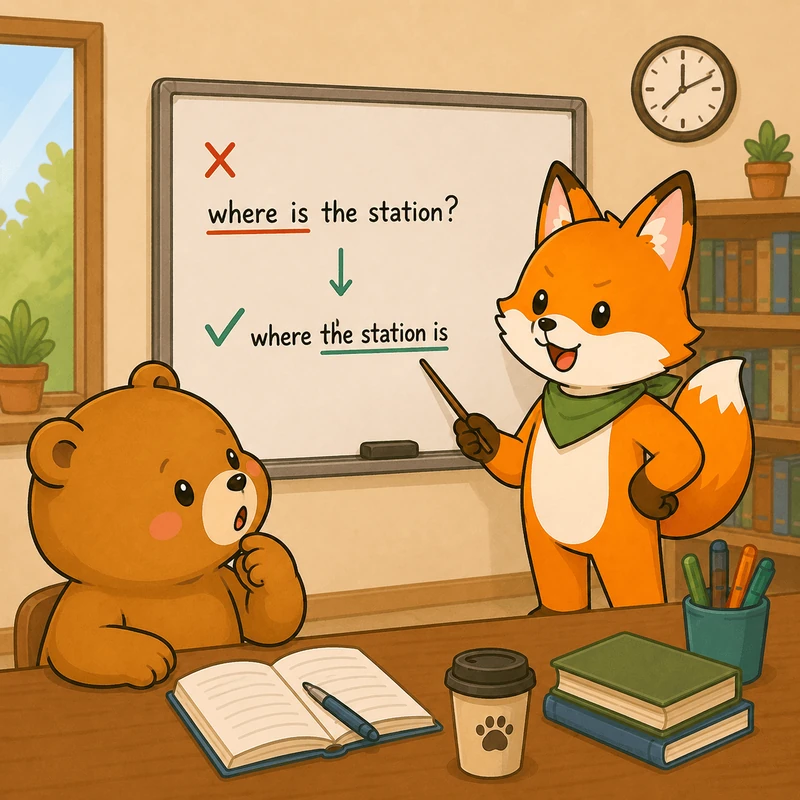
Do you know where is the station?
Bearry:Do you know where is the station?
✗Bearry
等等,放進句子裡後不能維持問句語序喔!
Lexi:等等,放進句子裡後不能維持問句語序喔!
Lexi
要改成陳述句語序:where the station is。
Lexi:要改成陳述句語序:where the station is。
Lexi
哦~所以 is 要放到 station 後面!
Bearry:哦~所以 is 要放到 station 後面!
Bearry
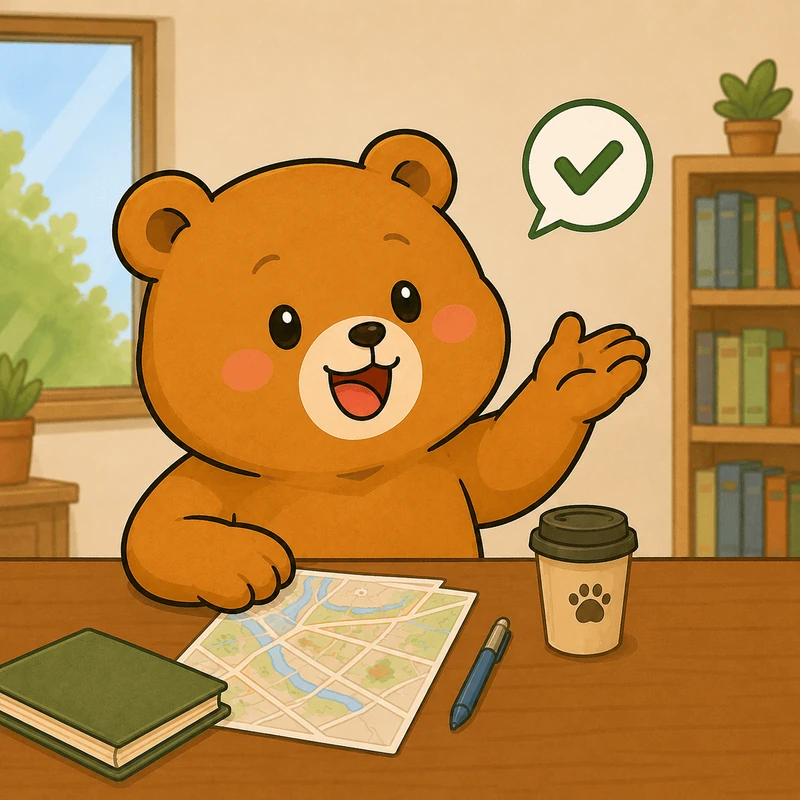
Do you know where the station is?
Bearry:Do you know where the station is?
✓Bearry
對了!這樣才自然!
Lexi:對了!這樣才自然!
Lexi
文法小練習

Rewrite each question as a natural indirect question or noun-clause sentence.

  1. Where is the restroom?
  2. How much does it cost?
  3. Did he send the email?
  4. Where did you put the keys?
  • 1. Do you know where the restroom is?
  • 2. Do you know how much it costs?
  • 3. I'm not sure whether he sent the email.
  • 4. Can you tell me where you put the keys?

5 間隔複習

下一組會回頭複習
a couple ofmake up one's mindstudy abroadIt is ... to + VIt is not easy to get rich.形式主詞 itIt is a golden opportunity to study abroad.

自 Pack 002 起開始加入約 30% 舊內容;本組可在對話、Quiz 或後續 Pack 中自然回收 Pack 001 的高頻詞與句型。